

Southern Vietnam Box Turtle Tracking
Understanding and Protecting Cuora picturata in Central Vietnam
Project Summary
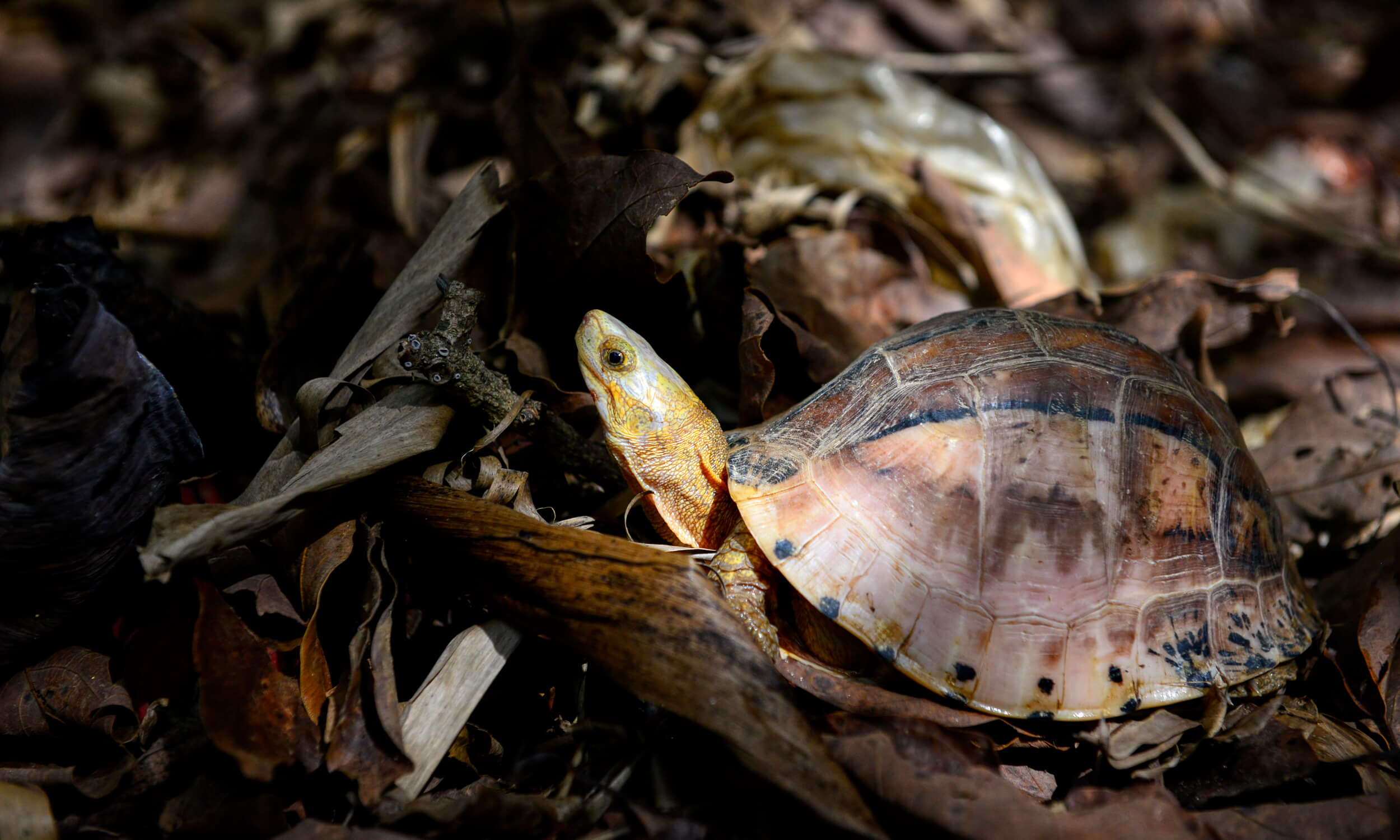
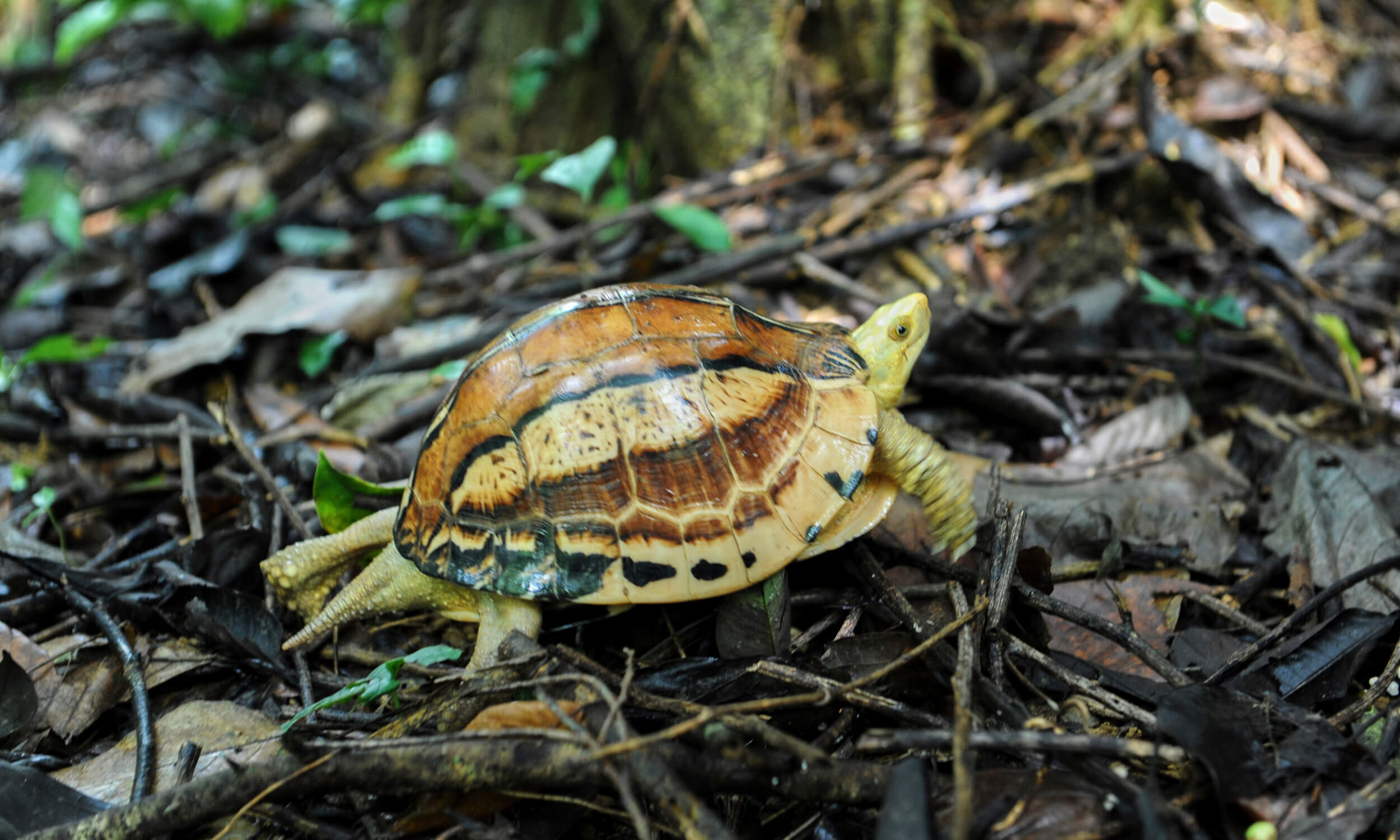
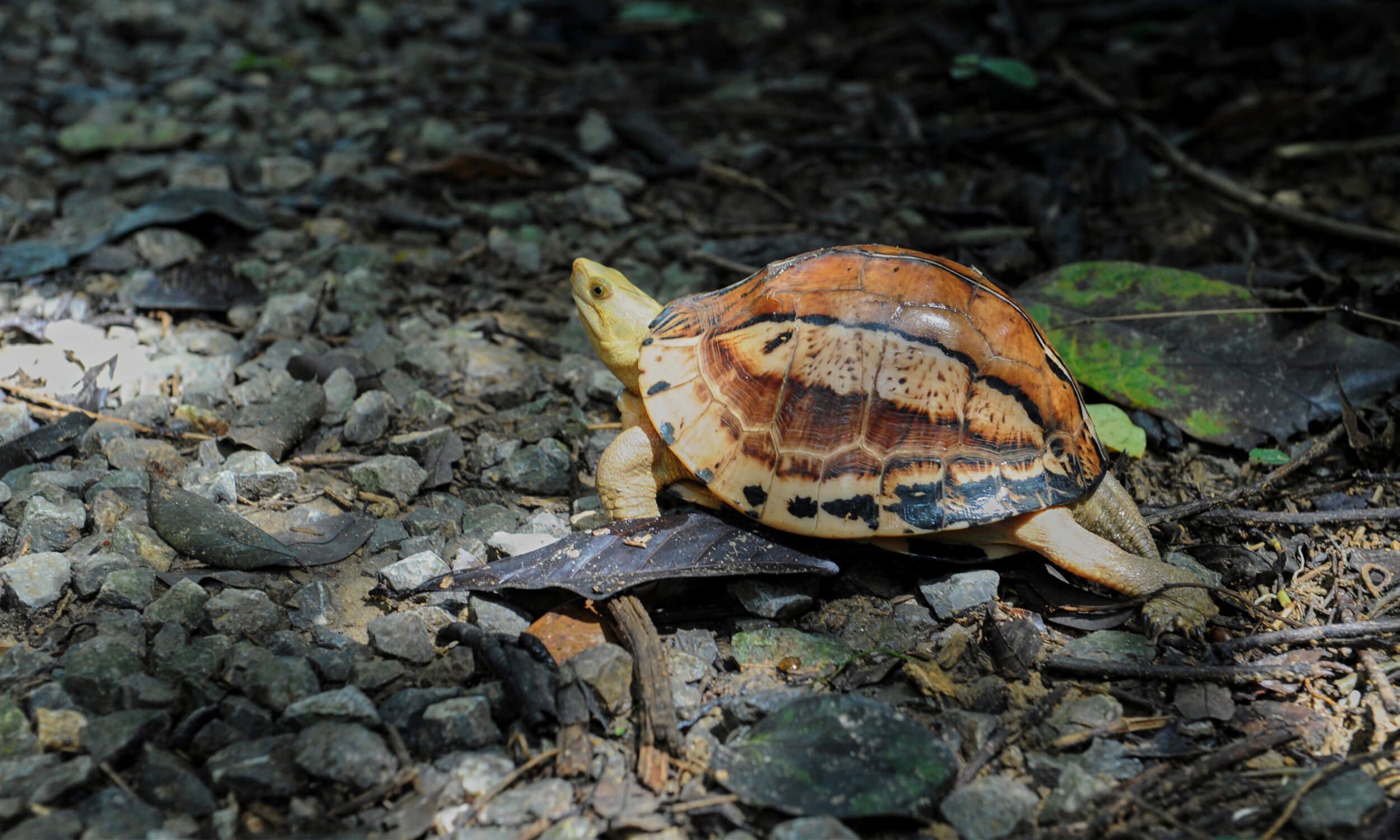
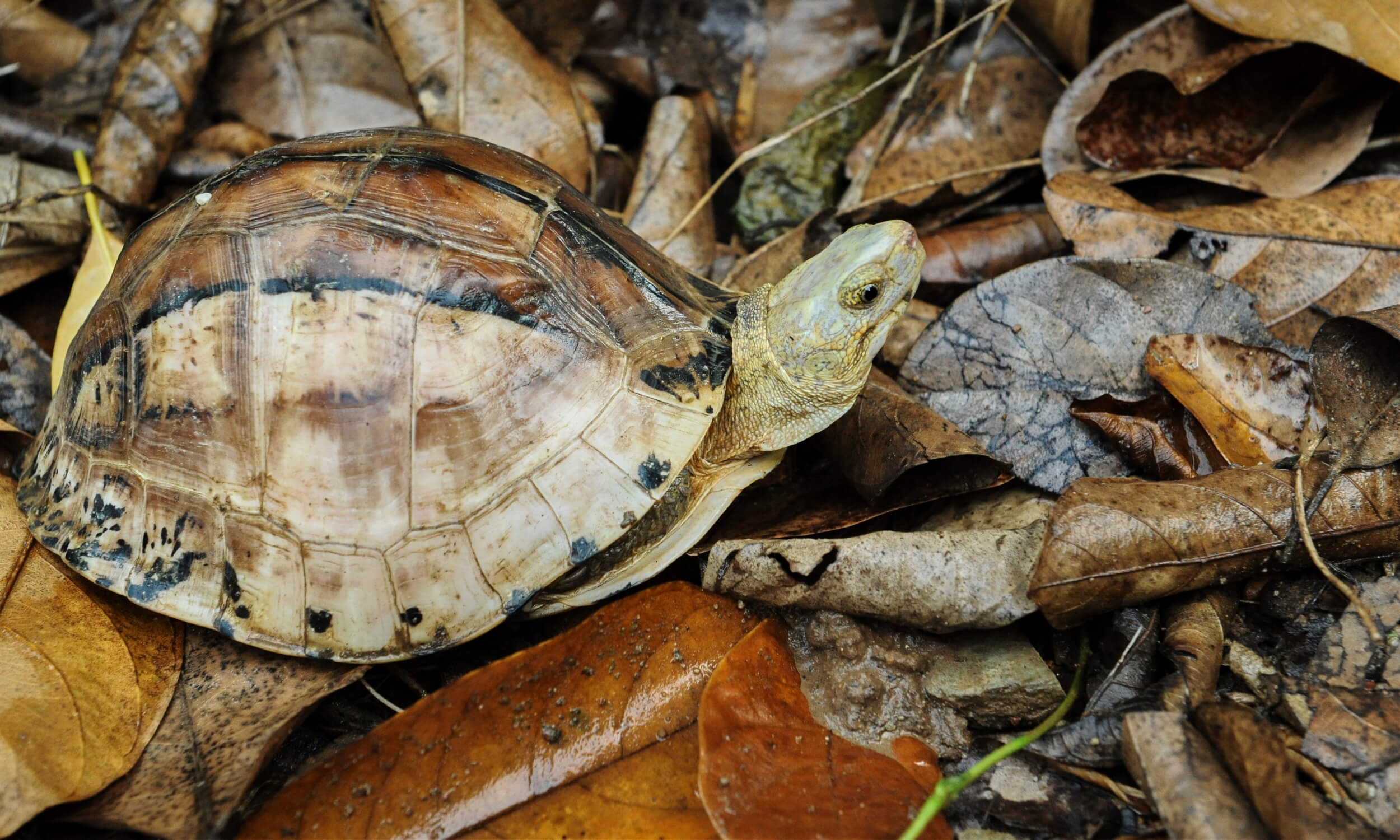
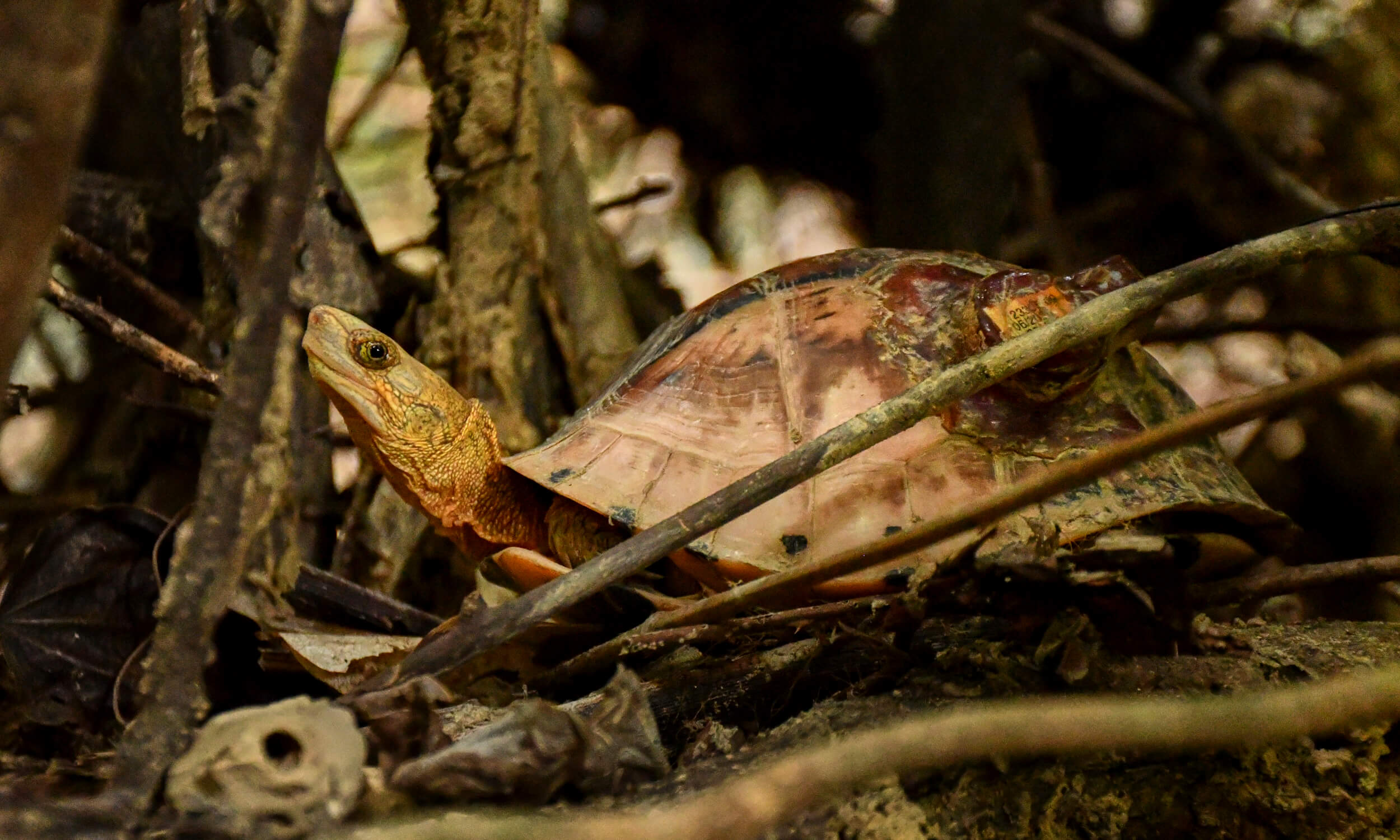
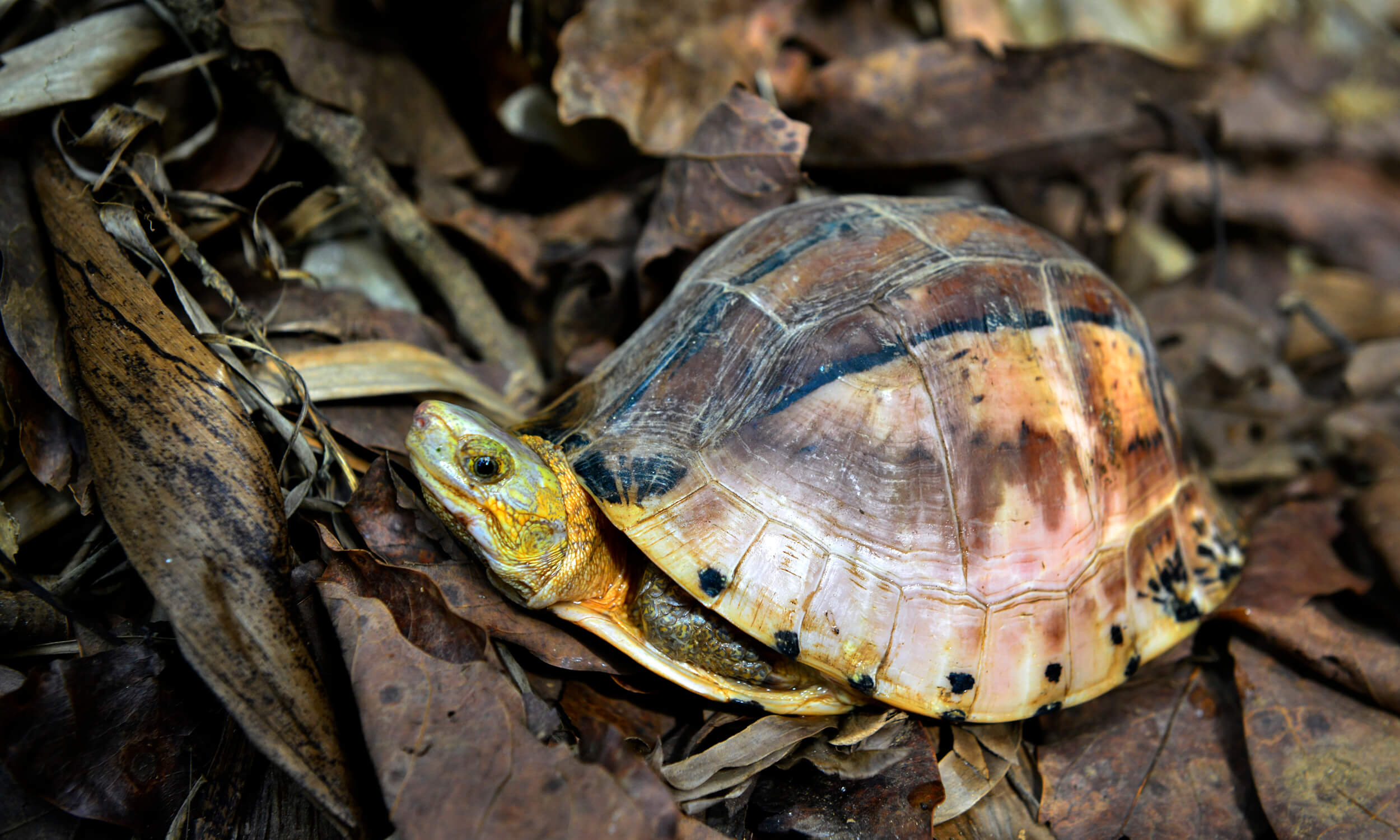
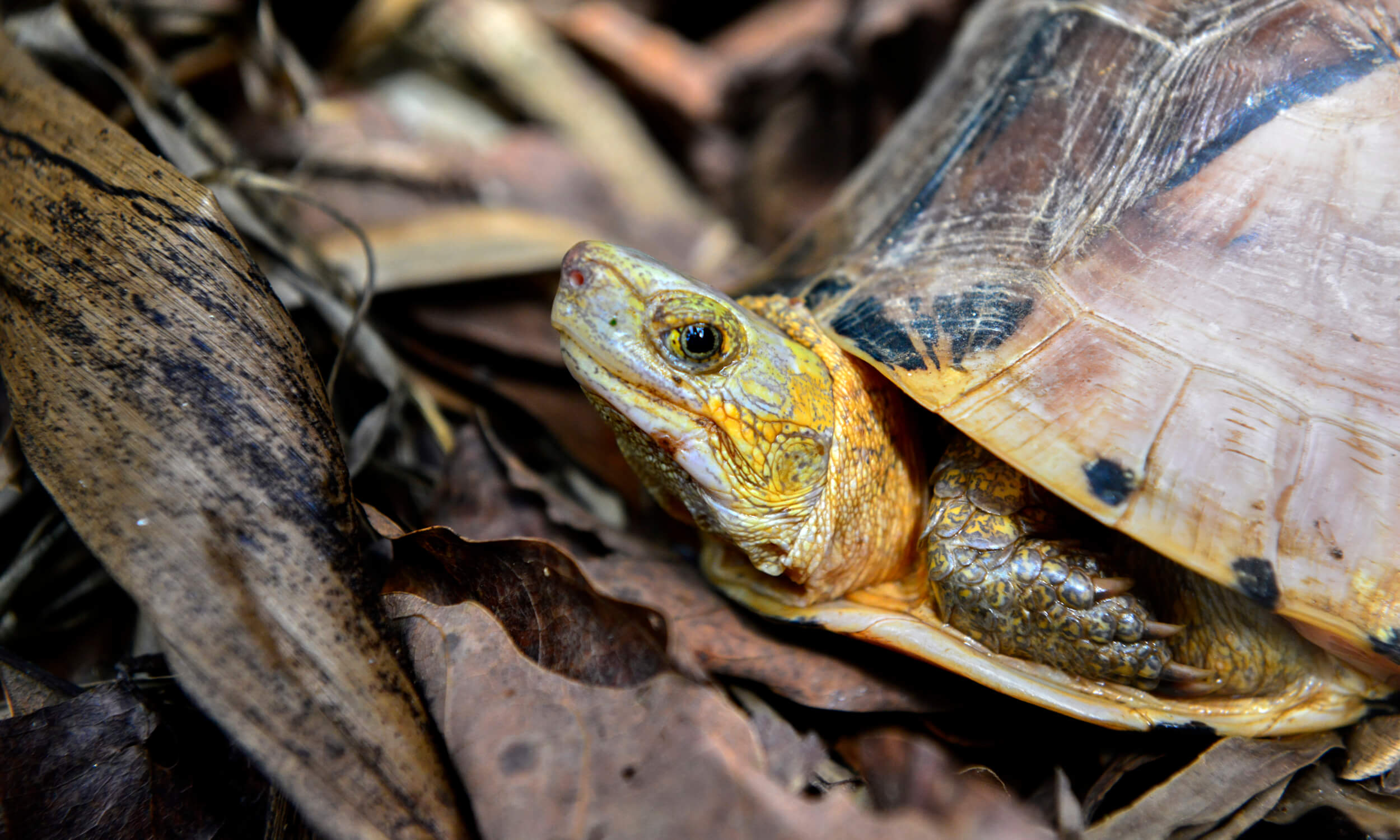
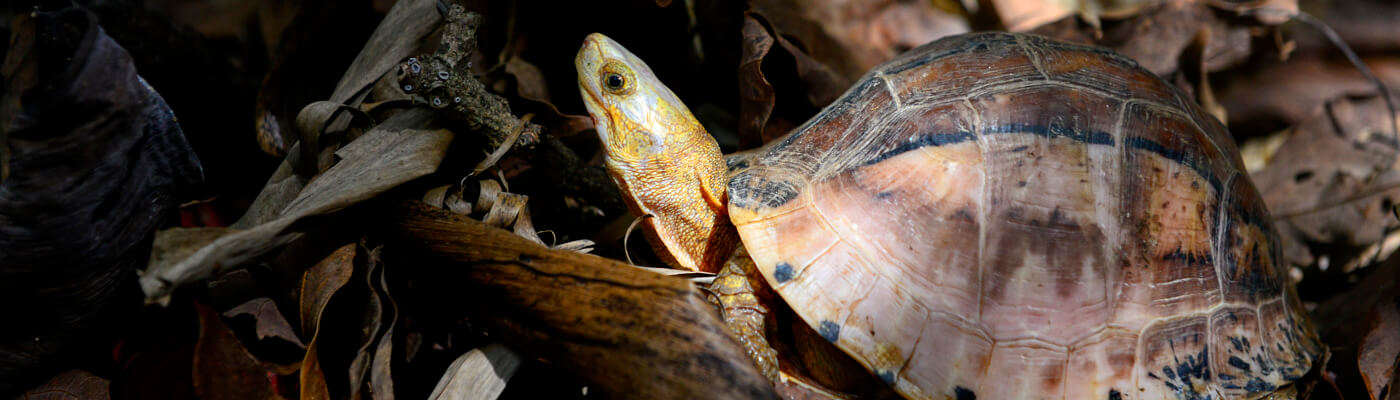
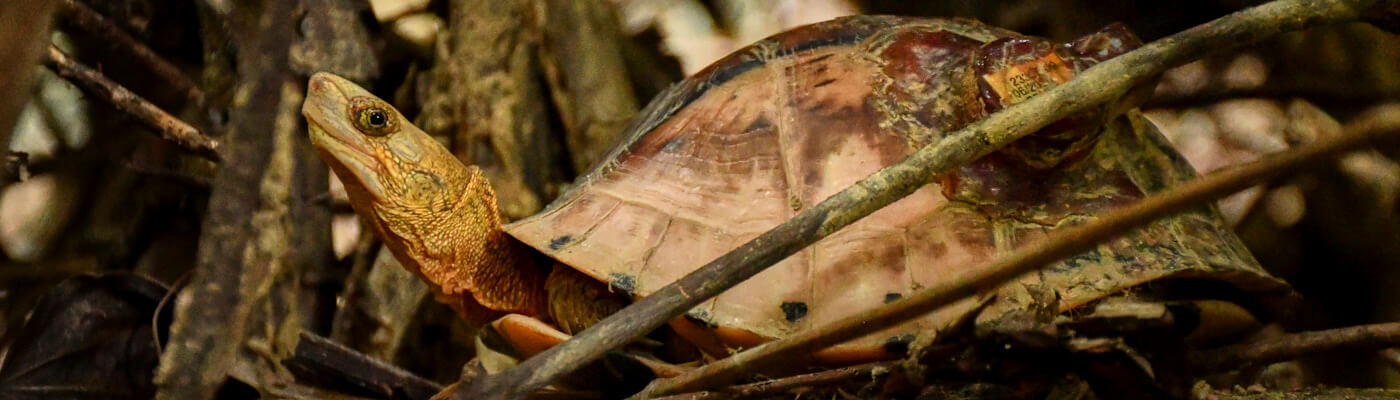
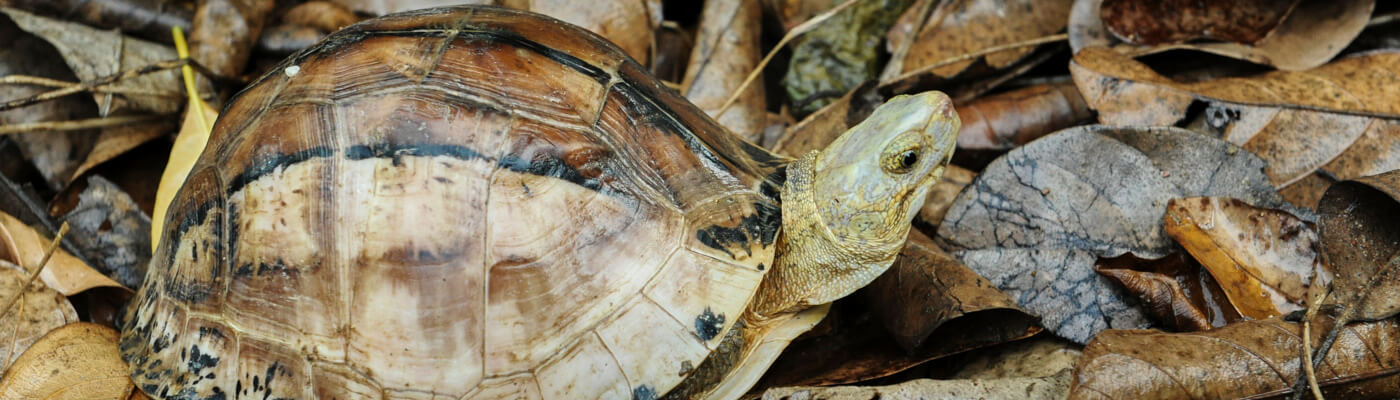
Some turtle species are rarely encountered, even by researchers working to protect them. The Southern Vietnam Box Turtle (Cuora picturata) is one of those elusive species. Native to a limited area of Central Vietnam, this striking turtle is recognized by its vivid orange coloration and intricately patterned shell. Surprisingly, despite this distinctive and colorful appearance, this little turtle is hard to find in its natural habitat.
To help address these gaps in knowledge, theTurtleRoom is working with the Center for Technology and Nature Conservation (CTNC), a Vietnam-based conservation organization, to support research and conservation efforts focused on Cuora picturata. This collaboration aims to learn more about the species in its natural habitat and develop practical strategies to protect the remaining wild populations.
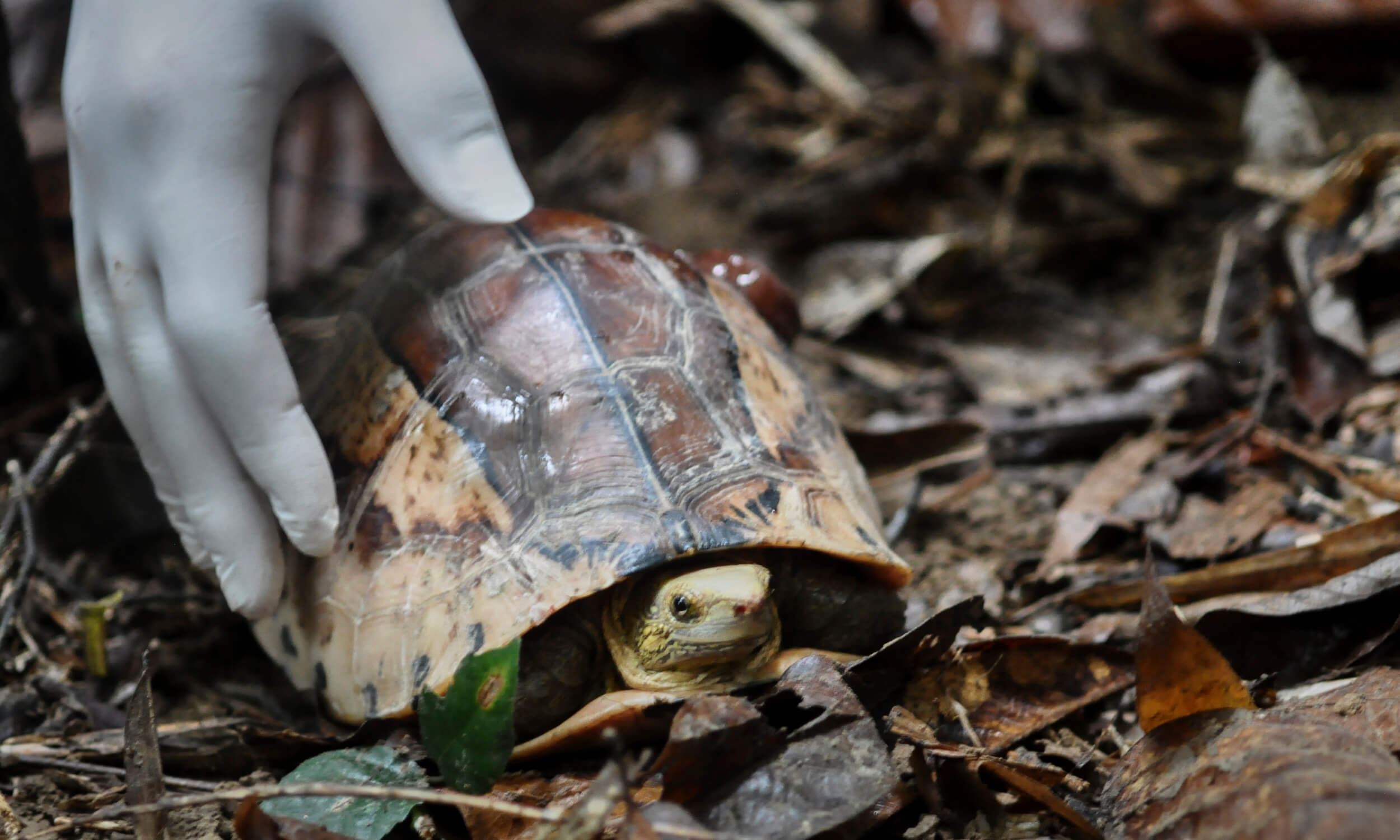
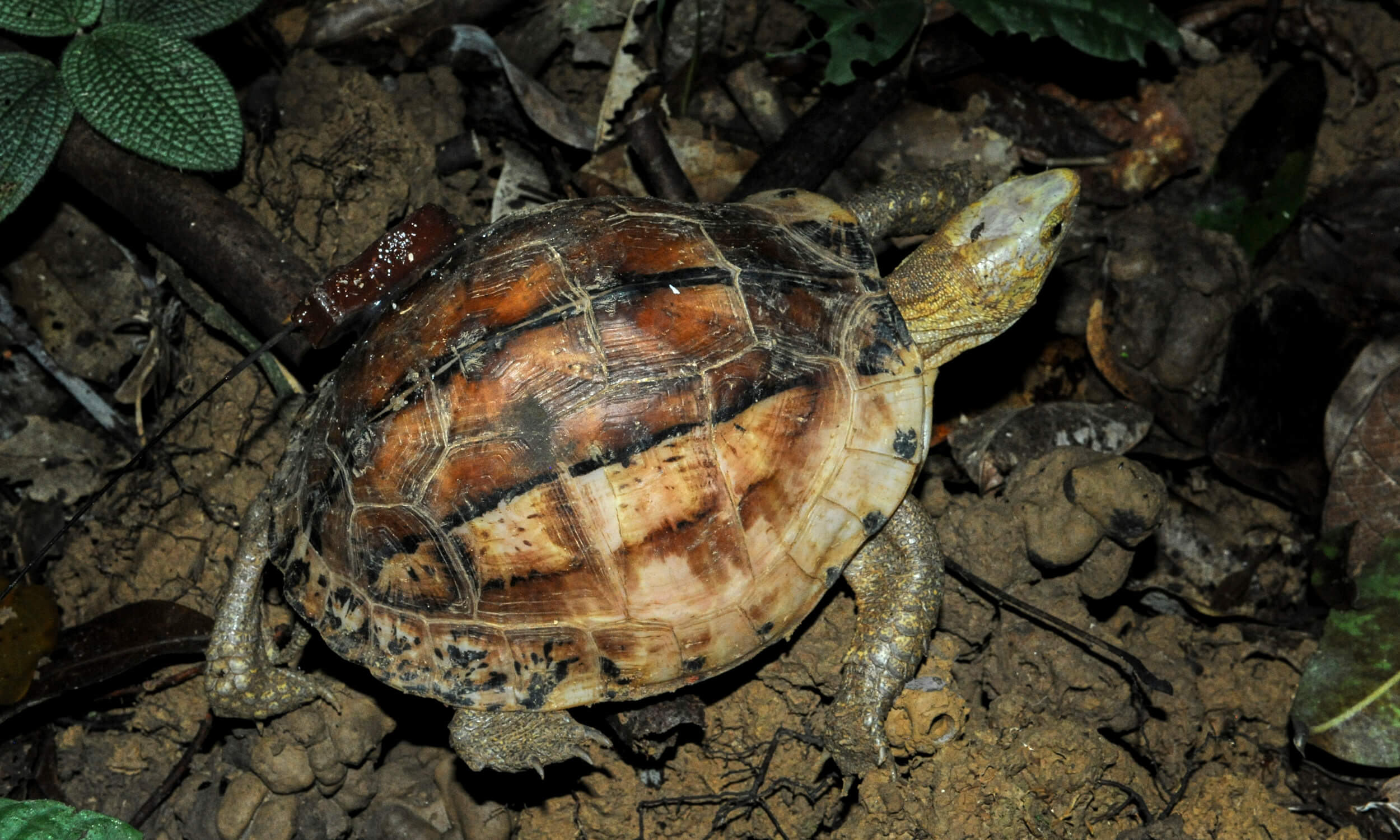
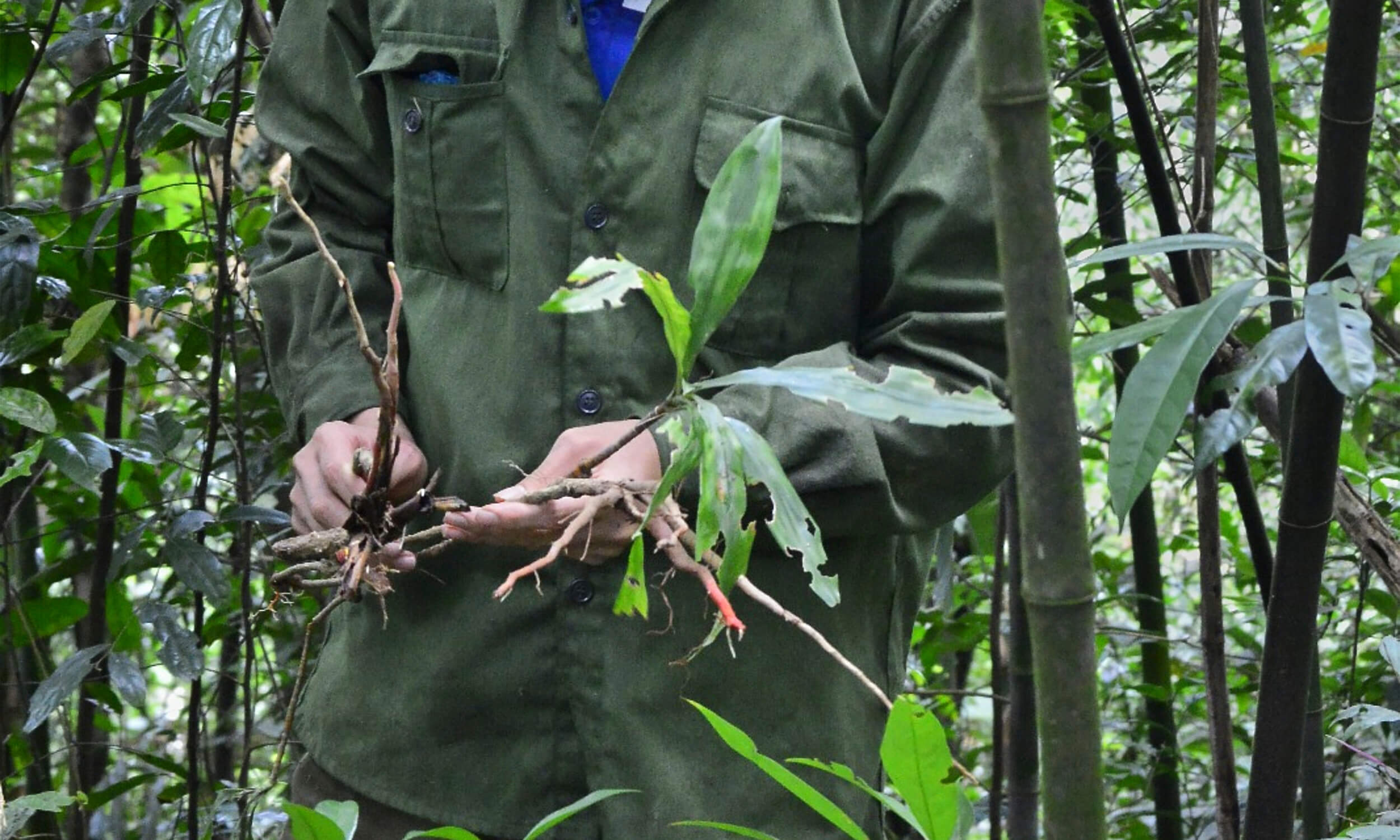
At the center of this effort is a field study designed to better understand how these beautiful turtles move and live in their natural habitat. Researchers use radio transmitters to track individual turtles. This transmitter helps them gather information about the habits and preferences of the turtle. These observations are recorded and collated to identify important details on how this species interacts with its environment.
There is still much to discover about those species. Each tracked individual and every new observation adds to our understanding of this beautiful turtle. Through collaboration, field research, local engagement, theTurtleRoom and CTNC are working to ensure that this remarkable species has a future in the forests of Vietnam.
Donate to this Project
Natural History
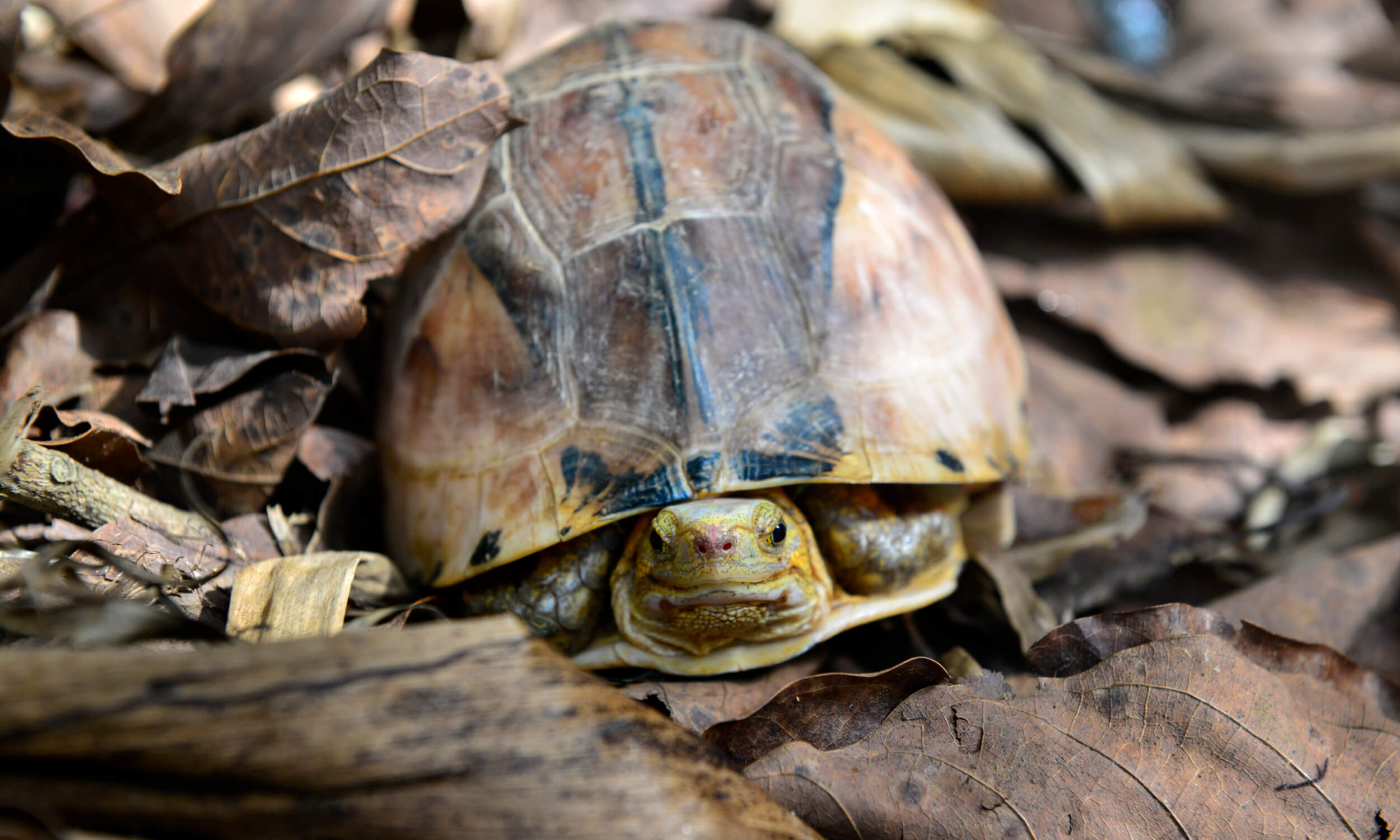
The Southern Vietnam Box Turtle (Cuora picturata) is a terrestrial freshwater turtle native to a restricted region of southern Vietnam. A member of the Asian box turtle family, it belongs to the genus Cuora, a group known for its distinctive hinged plastrons. This hinge allows many species within the genus to close their shells around their bodies, providing an additional measure of protection from predators.
One of the most recognizable features of Cuora picturata is its striking coloration. Its carapace is typically dark brown to black, often accented by lighter markings, while its head and limbs display shades of yellow and orange. The plastron is generally dark with contrasting lighter areas. The combination of vivid coloration and intricate shell patterns makes this species particularly distinctive among Asian box turtles.
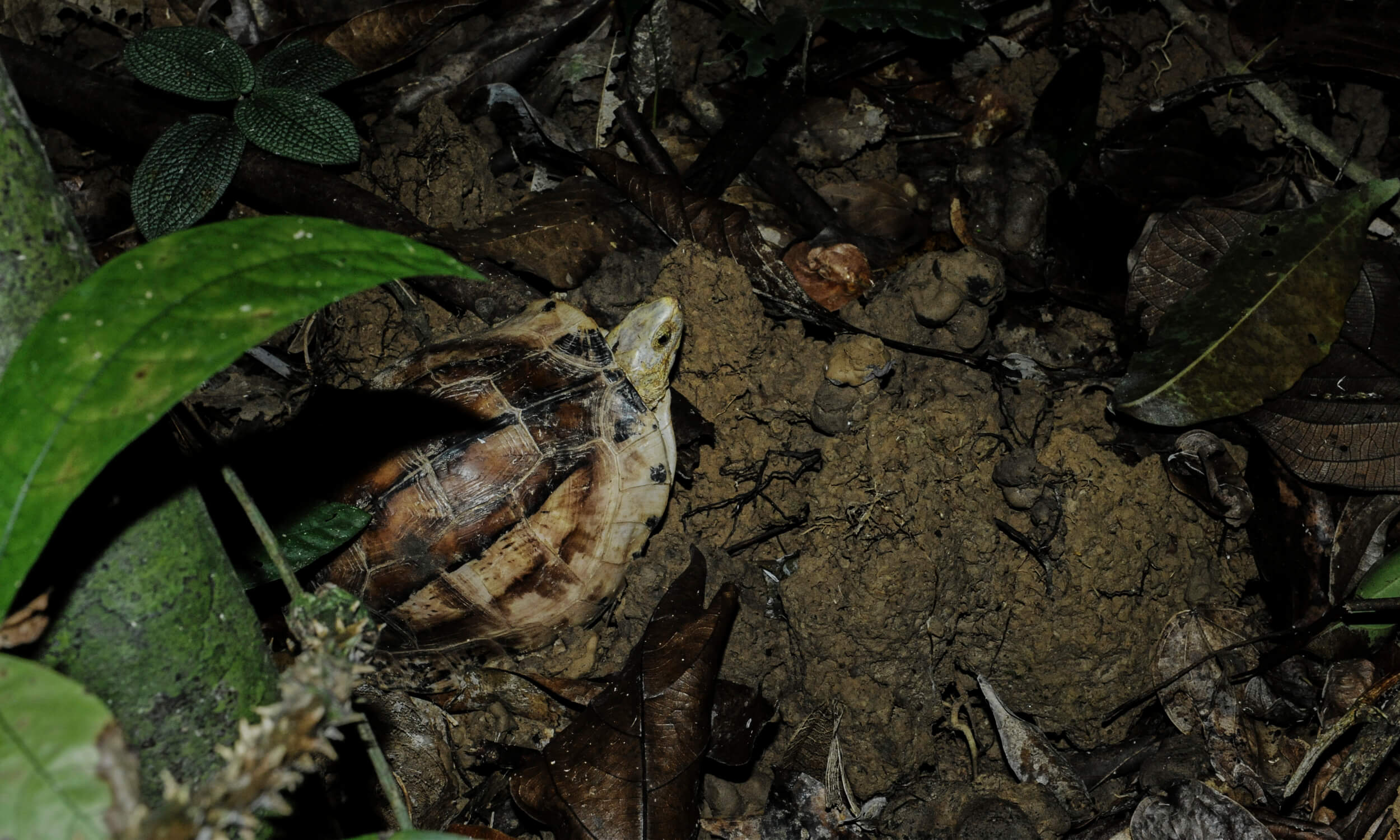
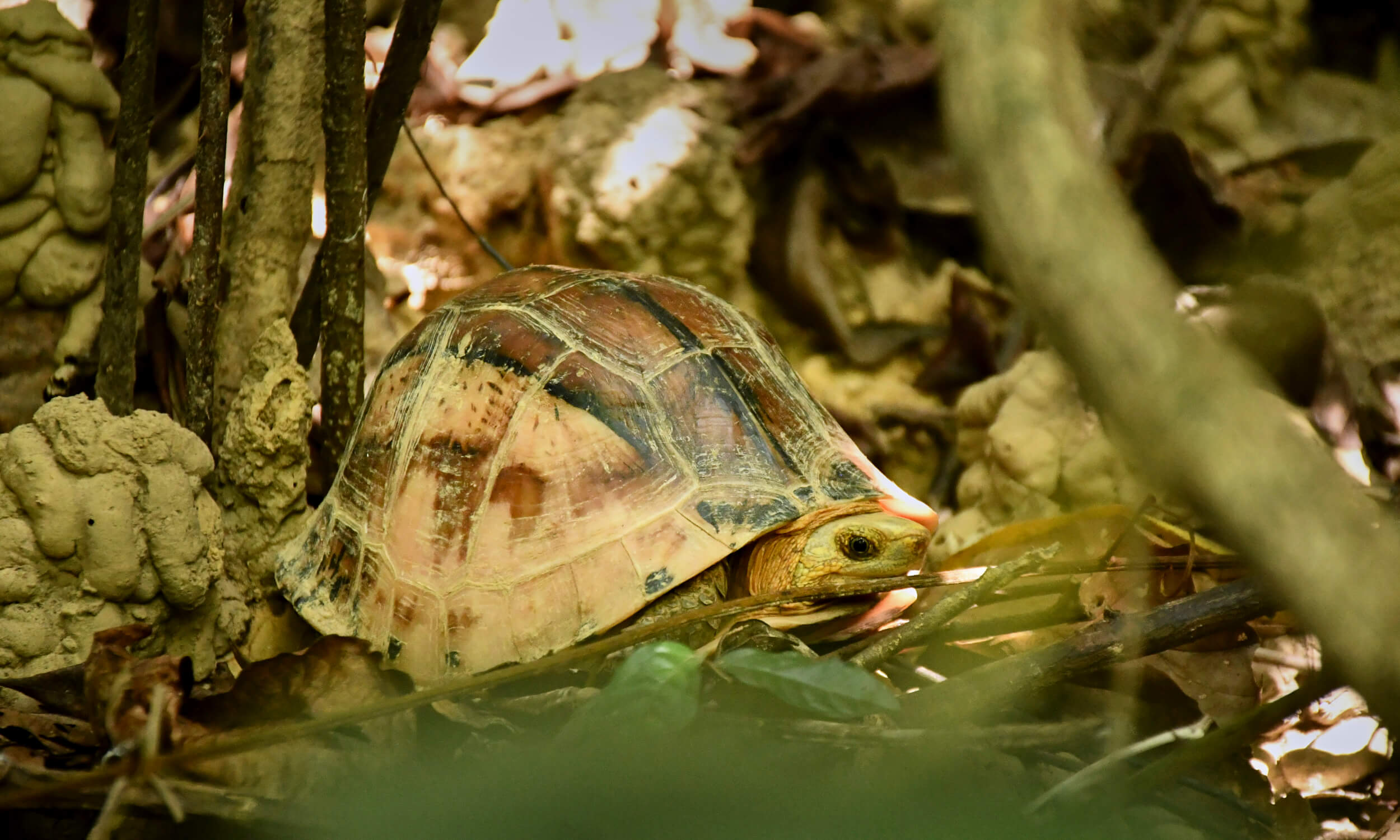
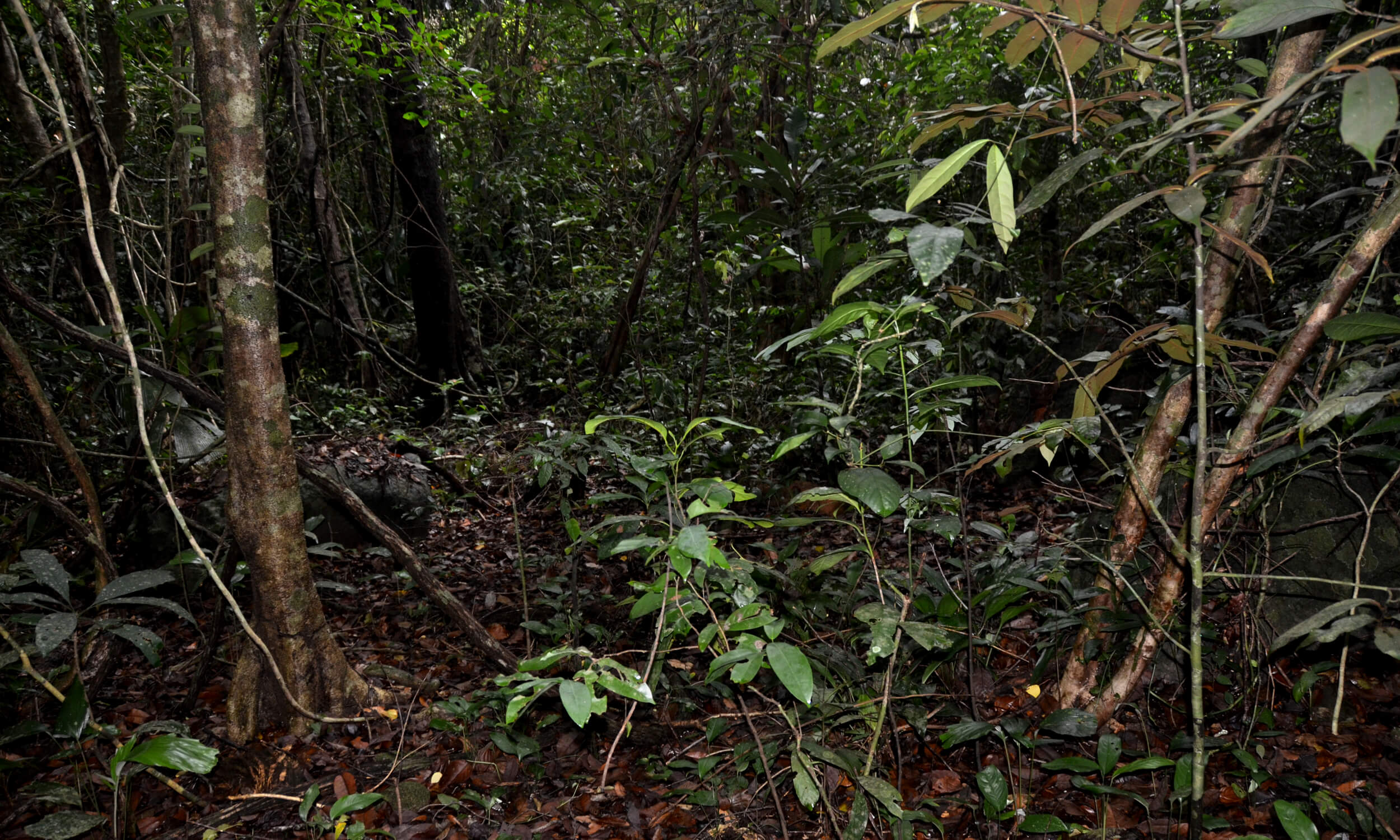
Unlike many turtles that spend most of their lives in or around water, Southern Vietnam Box Turtles are primarily terrestrial. They inhabit forest environments, where leaf litter, vegetation, and moist ground cover provide shelter and suitable conditions for daily activity. Understanding exactly how they use these forest habitats is an important part of ongoing conservation research.
Like other members of the genus Cuora, the species is adapted to a life closely connected to the forest floor. However, many aspects of its natural behavior, including seasonal activity, habitat preferences, and movements across the landscape, remain poorly understood. Field studies using radio telemetry offer an opportunity to observe these behaviors without relying solely on occasional encounters in the wild.
Reproduction and other aspects of the species’ natural history also deserve further study. As researchers learn more about its habitat requirements and life cycle, they can begin to identify the conditions necessary to maintain healthy wild populations and support future conservation efforts.
For a species with such a restricted natural range, every new piece of information matters. Understanding how Cuora picturata lives in the forests of Vietnam is an essential step toward protecting the habitats and populations that remain.
Project Partner

Project Gallery